
For many Ugandans, especially women, youth, and vulnerable groups, seeking justice through formal channels presents insurmountable challenges including prohibitive legal costs, long distances to courts, complex procedures, limited understanding of rights, and cultural norms that discourage formal complaints. These barriers create a justice vacuum where rights violations go unaddressed, perpetuating cycles of abuse and marginalization, particularly in rural and underserved communities.
ADRIVUYO Uganda's community justice model operates on the principle that justice should be restorative rather than merely punitive, deploying trained community paralegals as first points of contact, establishing mediation centers for alternative dispute resolution, hosting monthly legal aid clinics with pro bono attorneys, and conducting rights awareness campaigns through radio programs and community theater. This multi-layered approach makes justice accessible, affordable, and culturally appropriate for those who need it most.
Our "Justice Hubs" model—one-stop centers where community members can access multiple justice services under one roof—has reduced case resolution time from months to weeks while dramatically increasing access in remote areas. Community justice scorecards show significant improvements: 70% of disputes resolved without court involvement, 65% increase in reported GBV cases indicating greater willingness to seek justice, 85% client satisfaction with services, and 40% reduction in costs compared to formal mechanisms—demonstrating that community-based justice can effectively complement formal systems.

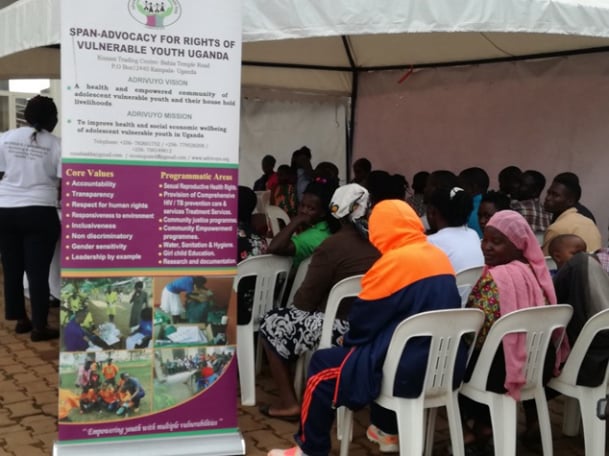
SPAN- Advocacy for Rights of Vulnerable Youth Uganda, is an (NGO)- registration number (INDP12465988NB) established in 2015.
© Copyright 2025 ADRIVUYO Uganda - All Rights Reserved